
"Western Province"
1000 article(s) found

Yara Peaberry washing treatment of African flavor Muxiui treatment plant in the western province of Rwanda
Country: Rwanda production area: West province Lutesilo production area altitude: 1827 meters rainfall: 1500mm treatment method: washing, elevated scaffolding sun drying varieties: BM-139 (bourbon) seed treatment plant: Musuyi treatment plant landlord: 1756 members small farmers (about 253 plants per small farmer) flavor: red apple, cherry, cinnamon, honey [Mushonyi processing plant]
Bourbon species for washing treatment at Muxiuyi treatment Plant in the western province of Wanda
Mushonyi processing plant has an amazing award record. In addition to winning the COE Excellence Cup in 2010, it won the championship, 12th, 16th and 28th in four batches in 2011 alone!

Introduction of Lutesilo producing area in the western province of Malaba Coffee Chimel Manor, Rwanda
Malaba Coffee grows in southern Rwanda, about 12 kilometers (7 miles) from the city of Butare and 150 kilometers (93 miles) from the capital, Gejali. The plan began in the Malaba area of Butare province, but was taken over by a local government organization in 2006, which is now part of the Huye district of the southern province. Due to its proximity to the East African Rift Valley and the Neuenway Forest Mountains, the terrain

Bourbon from the Muxiui processing plant in the western province of Rwanda
Rwanda can be said to be a fast-growing boutique coffee producer in East Africa recently. Apart from the vivid memories of its sad story of the Luanda Holocaust, the quality of its boutique coffee has also improved very rapidly. This year, we have tested several fresh, very beautiful and elegant acids worthy of Rwanda. Like many African countries, Rwandan coffee is mainly produced by small farmers every year.

Washing / bourbon boutique coffee beans from Muxiui processing plant in the western province of Rwanda issued their own fresh order for roasting.
For professional baristas, please pay attention to the coffee workshop (Wechat official account cafe_style) factory name: coffee Qianjie Cafe location: 10 Baoqian Street, Yuexiu District, Guangzhou City, contact information: 020-38364473 ingredients table: home baking shelf life: 30 net content: 227g packaging: bulk taste: sweet coffee beans ripe degree: whether coffee beans contain sugar: sugar-free origin:

Boutique coffee beans: Rwanda bourbon single product coffee raw beans Musiuyi washing method in the western province of Luanda
Coffee bean details: 1. Country: Rwanda 2. Production area: Lutexiluo production area of the western province 3. Altitude: 1827 m 4. Rainfall: 1500mm 5. Treatment: washing, elevated scaffolding sun drying 6. Variety: BM-139 (bourbon) 7. Processing plant: Mushuyi processing plant 8. Landowner: 1756 member small farmers (about 253 plants per small farmer) 9. Flavor: red apple, cherry, meat
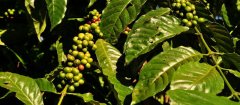
The flavor of Rwanda boutique coffee washed by Mushoi in the western province of Luanda.
Rwanda can be said to be a fast-growing boutique coffee producer in East Africa recently. Apart from the vivid memories of its sad story of the Luanda Holocaust, the quality of its boutique coffee has also improved very rapidly. This year, we have tested several fresh, very beautiful and elegant acids worthy of Rwanda. Like many African countries, Rwandan coffee is mainly produced by small farmers every year.

Washed coffee beans from Rwanda introduce Lutexilo producing area in the western province.
Most of the coffee in Rwanda is washed. The water washing method will first wash and flotation the ripe coffee fruit, then remove the exocarp, pulp and part of the pectin layer, then send the coffee into the fermentation tank, remove the remaining pectin layer and then send it to the drying ground for drying treatment, so that the water content reaches about 13%. The coffee in the picture above is placed in an African shed to dry.
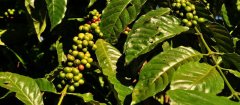
Muxiuyi, western province of Luanda, washed fine coffee, raw beans, single bourbon beans.
Like many African countries, Rwandan coffee is mainly produced by small farmers, and the ripe cherry fruits are collected and sent to the processing station every year during the harvest period. During the annual harvest period, the ripe coffee berries picked by farmers are concentrated in the treatment station for treatment, first selected by hand to ensure that no immature or damaged fruit is mixed in. Then remove the peel in a cool, cold ring

Lutesilo producing area in the western province of Malaba coffee, Rwanda, which is fragrant and full of particles.
The taste of Rwandan coffee is described as a grassy aroma with tropical climates. in addition to the sweetness of fruit, this coffee also gives people a feeling of freshness, clarity, and freshness. Bourbon coffee grown in Rwanda is amazing for its sweet fruit, full-bodied, unrestrained and lingering aftertaste. This kind of coffee is delicious.

Washing South Shik (Nyamasheke) production area of Muxiui treatment Plant in the western province of Rwanda
Rwanda can be said to be a fast-growing boutique coffee producer in East Africa recently. Apart from the vivid memories of its sad story of the Luanda Holocaust, the quality of its boutique coffee has also improved very rapidly. This year, we have tested several fresh, very beautiful and elegant acids worthy of Rwanda. Like many African countries, Rwandan coffee is mainly produced by small farmers every year.

Introduction to coffee producing areas in western and southern Yunnan
The west and south of Yunnan Province are located between the 15th latitude and the Tropic of Cancer. Most of the areas are 1000-2000 meters above sea level. The terrain is mainly mountainous and sloping, with large undulations, fertile soil, sufficient sunshine, abundant rainfall and large temperature difference between day and night. These unique natural conditions form the particularity of Yunnan Arabica coffee taste, which is strong but not bitter, fragrant but not strong and slightly fruity. As early as fifty

Single bourbon beans Musiui washing in the western province of Luanda, Rwanda
Like many African countries, Rwandan coffee is mainly produced by small farmers, and the ripe cherry fruits are collected and sent to the processing station every year during the harvest period. During the annual harvest period, the ripe coffee berries picked by farmers are concentrated in the treatment station for treatment, first selected by hand to ensure that no immature or damaged fruit is mixed in. Then remove the peel in a cool, cold ring

Fine coffee bourbon beans washed in Muxiui producing area in the western province of Luanda, Rwanda
Like many African countries, Rwandan coffee is mainly produced by small farmers, and the ripe cherry fruits are collected and sent to the processing station every year during the harvest period. During the annual harvest period, the ripe coffee berries picked by farmers are concentrated in the treatment station for treatment, first selected by hand to ensure that no immature or damaged fruit is mixed in. Then remove the peel in a cool, cold ring

Bourbon beans, Rwanda coffee, Musuyi boutique coffee in the western province of Luanda.
Like many African countries, Rwandan coffee is mainly produced by small farmers, and the ripe cherry fruits are collected and sent to the processing station every year during the harvest period. During the annual harvest period, the ripe coffee berries picked by farmers are concentrated in the treatment station for treatment, first selected by hand to ensure that no immature or damaged fruit is mixed in. Then remove the peel in a cool, cold ring

Bourbon beans Musiuyi, western province of Luanda, Rwanda, washed single boutique coffee
Boutique coffee is fresh coffee. Whether it's food or drink, of course, the fresh the better, and so is boutique coffee. High-quality coffee should keep the coffee beans fresh before making, including the preservation of baked beans, and grind the coffee beans into powder before making, which is also to retain its original and best flavor. And the way of making hand-made coffee is such a way to make high-quality coffee.

Lutesilo production area in the western province of Kimmel Manor, Rwanda
Rwanda coffee is absolutely high quality in the form of washed Arabica beans. As far as Africa is concerned, its coffee industry is remarkable because the country thrives mainly by producing the best possible coffee beans. Coffee from Rwanda is becoming more and more popular in the international market. The mission of the Rwandan Coffee Association is to manage and supervise the coffee industry in Rwanda from production to sales.

Introduction to the taste and flavor of Rwandan coffee Lute Xilo producing area in the western province of Chimmel Manor
Rwandan coffee beans are produced in the Vrunga Mountain Mountains in western Rwanda, with an elevation of 1600-2200 meters above sea level, making it an ideal producer for high-quality coffee. Bean shape: slender but full, round and dense. Flavor: soft and fragrant. The fragrance is rich and full, penetrating through the heart and lungs, bringing back endless happiness, at the same time refreshing, clear, fresh feeling, its sour taste is very low, suitable for single product or

Washed Arabica coffee Lute Xilo producing area in the western province of Rwanda
Rwanda coffee is absolutely high quality in the form of washed Arabica beans. As far as Africa is concerned, its coffee industry is remarkable because the country thrives mainly by producing the best possible coffee beans. Coffee from Rwanda is becoming more and more popular in the international market. The mission of the Rwandan Coffee Association is to manage and supervise the coffee industry in Rwanda from production to sales.